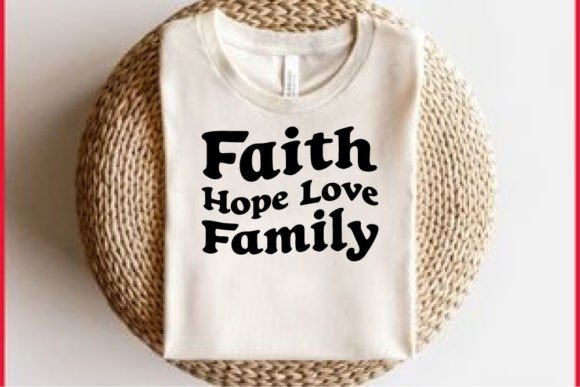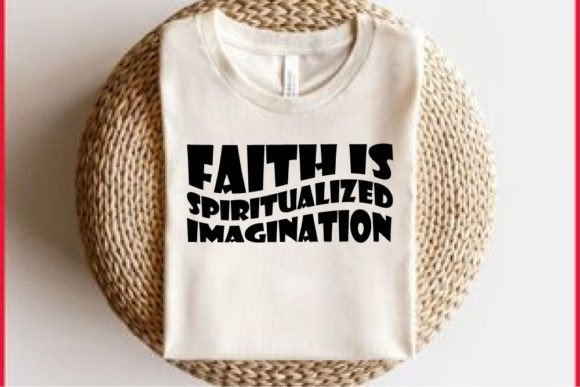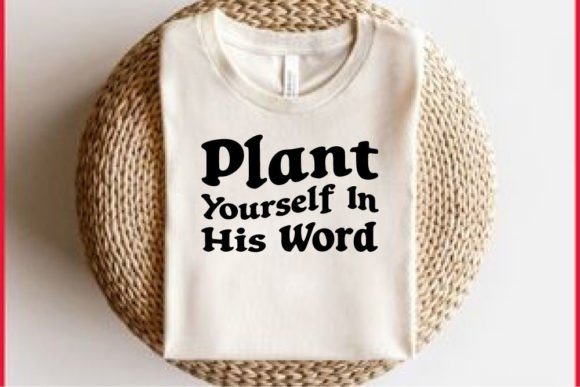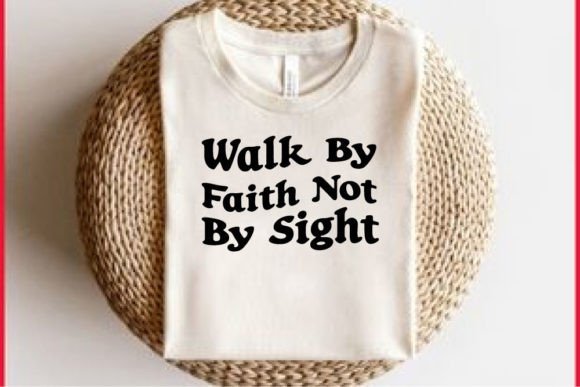
Ramadan Unique Retro T-shirt Design: Faith in Every Stitch
As an experienced embroidery designer and product reviewer, I always look for a design that not only looks good on the screen but also translates well into real-world applications. The Ramadan Unique Retro T-shirt Design, Whe caught my attention with its blend of spiritual sentiment and vintage flair. Let’s break it down from a practical perspective—what does this design bring to the table for custom projects, and where might it need a little extra care?
First Impressions: A Timeless Spiritual Statement
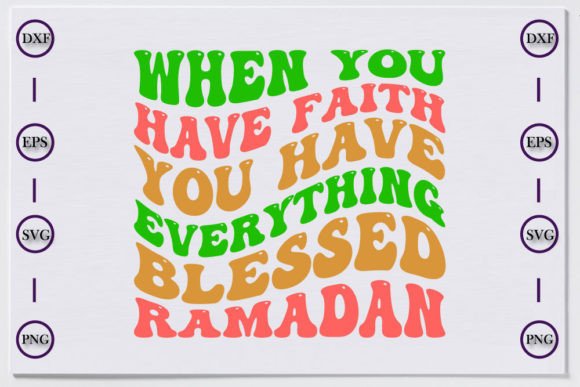
The moment I unzipped the files for Ramadan Unique Retro T-shirt Design, Whe, I was struck by its nostalgic aesthetic. It has a hand-drawn, retro vibe that feels both classic and modern at once. The layout is centered and balanced, which is great for t-shirts and other garments with straight seams. The phrase “when you have faith you have everything blessed ramadan” is rendered in a clean yet stylized font, suggesting it could be done using satin stitch or even applique depending on the file options provided.
What stands out is the mood this design evokes. It's uplifting, positive, and deeply rooted in tradition, making it ideal for those creating personalized gifts or small shop products around the holy month. The detail level is moderate—just enough character without overwhelming the fabric. It doesn’t scream for attention but instead invites a closer look, which can be a big plus for boutique branding or handmade product lines looking for subtlety and charm.
Visual Personality and Project Fit
This design naturally fits into warm, community-focused projects. Think sweatshirts for family gatherings, tote bags for local markets, or baby items for newborns being welcomed during Ramadan. Its retro feel suggests it would work especially well with linen or cotton blends, adding texture and warmth to the final piece.
From a personal standpoint, I’d consider using this design for holiday gifts or as part of a seasonal collection on Etsy. The message is powerful and universal, resonating across cultures and demographics. It’s the kind of design that makes people pause and smile—not just because of its words, but because of how it feels when stitched onto a soft, breathable fabric.
Real-World Embroidery Performance
When evaluating any machine embroidery design, I always think about how it will perform after stitching. Will it hold up on a stretchy tee? How will it look on darker backgrounds? What about repeated washes? Here’s what I noticed while considering these factors:
- Custom Apparel: This design works well on both men’s and women’s t-shirts. Its centered layout allows for easy alignment, and the bold text ensures visibility without being too aggressive.
- Sweatshirt Embroidery: Thicker fabrics like fleece or French terry are forgiving for this type of design. The retro style complements the cozy nature of a sweatshirt, especially if paired with muted thread colors.
- Tote Bag Design: The design’s size and clarity make it suitable for tote bags, particularly if you’re aiming for a statement piece. Just be mindful of the hoop size and stabilizer needed for larger formats.
- Baby Embroidery: For smaller baby clothes or accessories like onesies or bibs, the design may require scaling down. In such cases, check the stitch density to avoid overcrowding delicate areas.
- Embroidered Patch: If you're converting this into a patch, the design’s visual weight and contrast are key. Darker background patches would benefit from lighter thread choices to maintain legibility.
- Pillow Covers & Tea Towels: These household items often get frequent use, so the design must withstand multiple wash cycles. A strong stabilizer and high-quality thread are essential here.
Design Files and Format Versatility
The package includes SVG, DXF, PNG, EPS, and one ZIP file. While the exact format list isn’t fully visible in the description, the inclusion of multiple digital embroidery files means it should be compatible with most software and machines. However, I recommend confirming compatibility with your specific embroidery platform before committing to a project.
For handmade product creators, having a PNG file is helpful for creating printable mockups or previews. This can significantly improve buyer engagement on platforms like Etsy or at craft fairs, where visual representation matters a lot.
Where to Use with Caution
While this design is versatile, there are a few scenarios where it might not perform as expected:
- Small Hoop Sizes: The design’s scale may not fit comfortably within compact hoops, especially if you want to retain all the details. You’ll likely need to resize carefully, which could affect readability.
- Textured or Stretchy Fabrics: The retro elements rely on smooth surfaces for optimal stitch definition. On knits or textured materials, some fine lines might distort or lose their crispness.
- Dark Fabric Backgrounds: Thread color contrast becomes crucial here. If the design uses dark thread on a black shirt, it might appear washed out. Always test on a similar fabric before mass production.
- Curved Surfaces (e.g., Caps): The centered placement works best on flat surfaces. For curved embroidery like caps or hats, you may need to adjust the layout or simplify the corners.
- Dense Stitch Areas: Depending on the chosen stitch types (like fill or satin), some sections might require additional stabilizing to prevent puckering or distortion.
Testing Tips for Maximum Clarity
To ensure the best results, here are a few things I suggest every embroiderer does before going full-scale:
- Test on Scrap Fabric: Especially if you plan to use it on thin or stretchy material, run a sample stitch to see how it holds up.
- Check Thread Color Contrast: Make sure the colors pop against your intended fabric. If you're unsure, try a black-and-white mockup first.
- Review Stitch Density: Some areas may need adjustment to prevent excessive tension or gaps between stitches.
- Confirm Hoop Size: If you're working on smaller items like aprons or patches, double-check the recommended hoop dimensions in the file notes.
- Inspect Small Details: Since this design leans on a clear, readable message, tiny lettering or intricate shapes should be scrutinized closely.
Impact on Product Value and Branding
In today’s competitive market, designs like Ramadan Unique Retro T-shirt Design, Whe can elevate your handmade product line beyond just aesthetics. The message is meaningful, and that emotional connection can boost customer trust and giftability.
If you're running a craft business or selling digital embroidery files, this design adds a touch of professionalism. It's not generic; it tells a story. That story can help customers identify with your brand more easily, increasing recognition and repeat sales.
But let’s be realistic—it's not a one-size-fits-all solution. The design needs the right context. It shines on simple, clean-cut apparel but may struggle on busy patterns or layered garments. Also, keep in mind that licensing terms aren’t specified, so if you're planning to sell finished products or digital assets, make sure to confirm the usage rights before listing them online.
Customer Reactions and Market Potential
Based on past experience, customers tend to gravitate toward designs that speak to their values. The phrase “when you have faith you have everything” is universally relatable, and pairing it with the Ramadan theme gives it cultural and spiritual significance. Whether it's a personalized gift for a friend or a commercial embroidery item for resale, this design can resonate strongly.
I’ve seen similar retro-style graphics do well on social media and in boutique settings. They offer a sense of nostalgia and authenticity that many shoppers appreciate. For Etsy sellers and small shop products, including a design like this in a themed collection can increase engagement and perceived value.
Final Thoughts and Designer Recommendations
The Ramadan Unique Retro T-shirt Design, Whe is a solid choice for anyone looking to add a thoughtful, stylish element to their embroidery projects. It brings together tradition and design sensibility in a way that feels fresh and respectful. But like any embroidery file, it requires careful consideration of fabric, hoop size, and thread selection to reach its full potential.
Here’s what I’d do next if I were using this in a project:
- Print a printable mockup to visualize how it looks on different garment types.
- Run a test stitch on a scrap piece of the actual fabric I plan to use.
- Adjust stitch density and spacing if necessary, especially in denser text areas.
- Consider using it in both monochrome and color variations to expand its appeal.
In short, this design is a keeper—but don’t skip the prep work. Treat it like any serious machine embroidery design: with respect, attention to detail, and a bit of creativity. When done right, it can turn a basic t-shirt into a cherished keepsake or a standout item in your design assets library.