Islamic Mosque Architecture Line Art: A Designer’s Practical Review
If you're an embroidery designer or a creative entrepreneur, you know how crucial it is to find the right design for your next project. Islamic Mosque Architecture Line Art caught my attention not just because of its cultural significance, but also due to its clean, vector-based appeal. As someone who regularly tests machine embroidery designs for real-world use, I wanted to walk through how this particular design might perform in different applications and what considerations should be made before stitching it into a finished product.
First Impressions and Design Personality
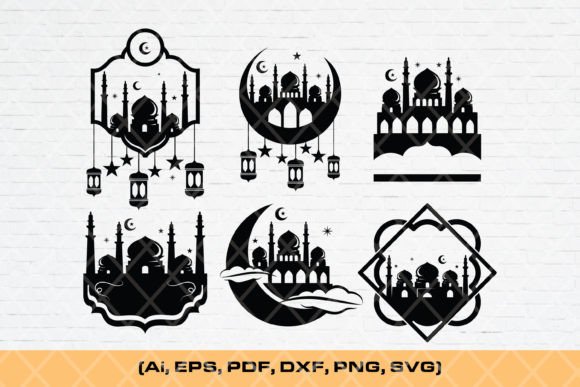
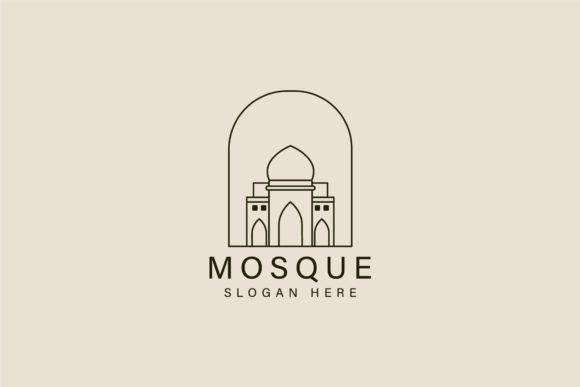
The first thing that struck me about Islamic Mosque Architecture Line Art was its elegance. The intricate yet minimalist line work gives off a calm, spiritual vibe that feels both modern and timeless. It's not overly ornate, which means it can easily adapt to various styles without clashing — a big plus when creating custom apparel or handmade products with a global audience in mind.
This design is clearly intended as a logo-style graphic, so it’s best suited for projects where the visual impact relies on clear lines and strong symbolism. The layout is balanced, with no overwhelming details that could confuse the viewer or complicate the embroidery process. The theme is instantly recognizable, making it a great choice for branding, personalized gifts, or any item where the image needs to speak volumes at a glance.
Where This Design Shines
I decided to imagine using this design on a custom sweatshirt for a boutique client interested in cultural motifs. The architecture lines were bold enough to stand out even after stitch rendering, and the symmetry helped maintain a professional look across the garment. Here are some of the key use cases where I think this design would work well:
- Sweatshirt Embroidery: Its large scale and structured form make it ideal for front or back placement on a hoodie or pullover.
- Tote Bag Design: Whether stitched directly onto cotton canvas or used as an applique, the design adds sophistication without being too busy.
- Embroidered Patch: The detail level is perfect for a patch — especially if you plan to digitize it with satin or running stitches for definition.
- Nursery Decor and Baby Items: For a more subtle approach, reducing the size and simplifying the stitch types (like using fill or running stitch) could create a soft, decorative touch.
- Printable Mockups: The SVG and PDF formats allow for high-quality mockup creation, which is essential for Etsy sellers or digital product creators wanting to showcase their offerings online.
What stood out most was how adaptable the machine embroidery design felt. Whether you’re working with a single color or multiple thread shades, there's enough contrast and structure to maintain visual interest.
Real-Life Application Considerations
Let’s say you're preparing a set of embroidered tea towels for a craft fair. You want something that looks beautiful from a distance and holds up under frequent washing. Islamic Mosque Architecture Line Art offers the potential for that kind of durability, but it does require careful planning to ensure it doesn’t lose clarity or become misaligned over time.
- Stitch Clarity: The design’s line art nature means it will depend heavily on stitch type and density. If you're using a satin stitch along the main outlines, you’ll get a polished finish. However, if you're scaling it down for a smaller hoop, those fine lines may start to blur unless handled carefully.
- Fabric Choice: On smooth, tightly woven fabrics like cotton or linen blends, the design will pop. But on stretchy or textured materials, such as jersey knit or flannel, you might need to adjust the stitch pattern or add stabilizer to prevent puckering or distortion.
- Hoop Size and Placement: Since the design includes architectural elements, you’ll want to ensure the hoop size allows for full visibility. I recommend testing it on scrap fabric to see how it fits within your usual hoop dimensions and whether resizing affects the balance of the piece.
- Thread Color Contrast: This design works best when the thread colors stand out against the background fabric. Try pairing it with light-colored threads on darker backgrounds or vice versa to enhance recognition and visual appeal.
- Commercial Use Potential: Given its non-editable text and structured format, it’s likely suitable for commercial embroidery projects. However, always confirm licensing terms before selling finished items or embedding the digital embroidery file into a product.
When to Be Cautious
While this design has a lot going for it, there are scenarios where it might not perform as expected. Here are some areas to watch out for:
- Small Hoop Sizes: Scaling the design down too much can compromise the detail and make the lines appear jagged or broken post-stitching.
- Curved Surfaces: If you're embroidering on a cap or hat, the curvature might distort the straight lines and architectural angles unless you compensate during digitizing.
- Dense Stitch Areas: Some parts of the design might require tight stitch spacing, which could lead to stiffness or puckering if not properly stabilized.
- Thin or Delicate Fabrics: On sheer or lightweight materials, consider using a wash-away stabilizer or adjusting the stitch types to avoid tearing.
- Dark Fabric Backgrounds: While possible, dark backgrounds can mute the effect of the design. Testing in black and white or with metallic threads could help maintain visibility.
Visual Appeal and Brand Value
One of the biggest wins for this design is its ability to elevate the perceived value of a product. When applied correctly, Islamic Mosque Architecture Line Art can transform a simple tote bag into a statement piece or turn a basic apron into a meaningful gift. The cultural depth behind the imagery also helps build customer trust, especially if your brand focuses on heritage, spirituality, or inclusive themes.
As an Etsy seller, I’d consider this design a strong candidate for holiday or wedding gifts. Its neutral aesthetic makes it versatile enough to pair with other patterns or remain as a standalone feature. The consistent shape and layout also support brand consistency if you're looking to use it across multiple product lines.
Designer Tips for Getting the Best Out of This File
Before moving forward with a full production run, here are some practical steps I’d take to ensure the final embroidered product meets expectations:
- Test the design on scrap fabric using the same settings you plan to use for the final product.
- Review the stitch density in tight corners or dense sections to avoid distortion or breakage.
- Inspect small details, especially if you're considering using it in baby embroidery or nursery decor where subtlety matters.
- Create black and white mockups to check how the design appears in monochrome — many embroidery machines don’t support full color output.
- Compare the design on both light and dark fabric backgrounds to determine thread color choices and visibility.
- Use proper stabilizer to support the fabric, especially if you're working with delicate or stretchy materials.
- Confirm whether the design is appropriate for commercial embroidery purposes, given the note about non-editable text.
Final Thoughts for Crafters and Entrepreneurs
Overall, Islamic Mosque Architecture Line Art is a solid addition to your design library, especially if you’re targeting a niche market or creating bespoke handmade products. It brings a sense of refinement and intentionality to any project, whether you're crafting a personalized gift or designing merchandise for a small shop.
As a seasoned embroidery reviewer, I’ve seen too many designers skip the test phase only to regret it later. Take the time to understand how this embroidery file behaves on your specific fabric and machine setup. The effort will pay off in better customer satisfaction and a more professional-looking finished product.
For hobbyists, the design is user-friendly and easy to modify thanks to the vector files. For craft business owners, it offers a unique opportunity to infuse cultural meaning into everyday items. Just remember — while the design is visually appealing, its success depends on thoughtful execution and preparation.